


PrimeAura Belgium crypto market insights and fintech investment trends
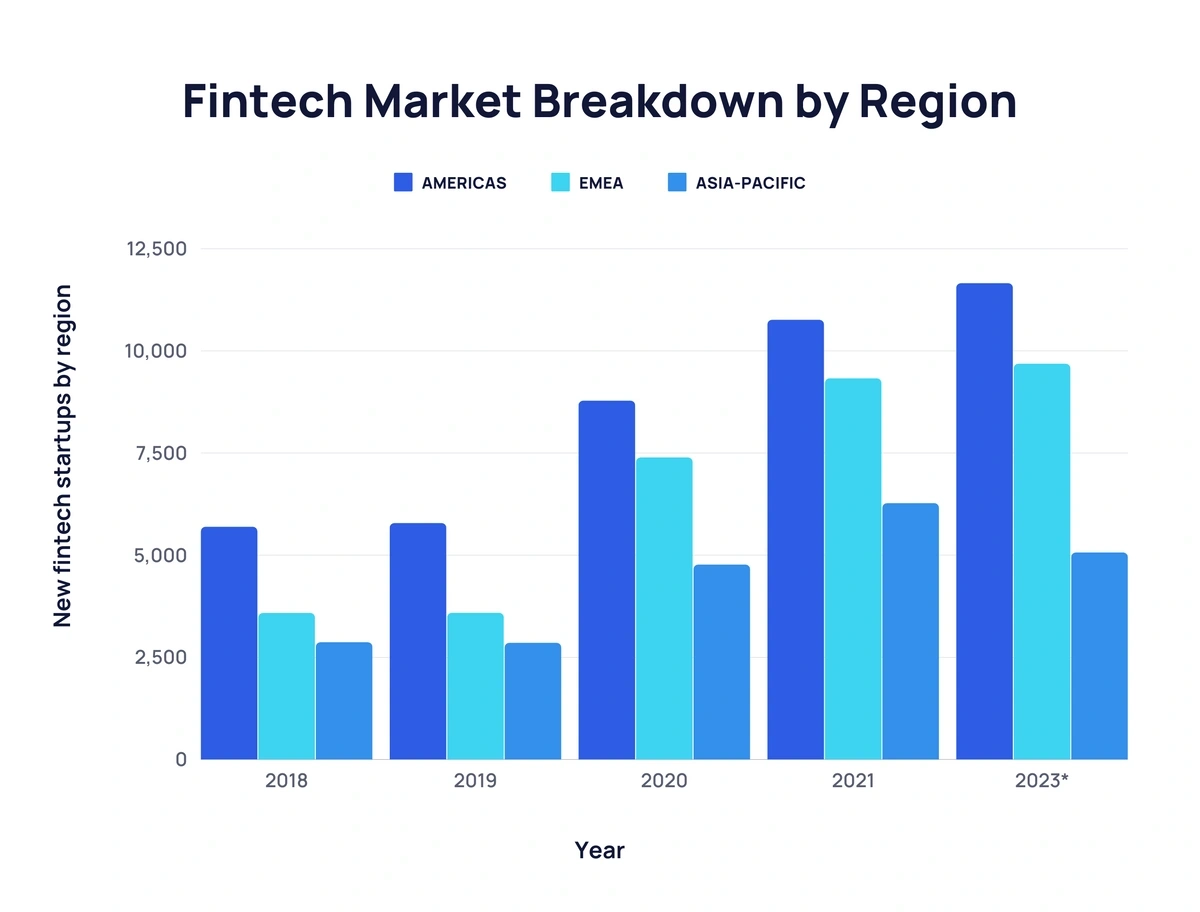
To thrive in the continuously shifting terrain of financial technology, staying abreast of emerging innovations and strategies is crucial. Companies must leverage data analytics and artificial intelligence to enhance customer engagement and streamline operations. Embracing blockchain technology is a significant stride towards improving transparency and security in transactions.
The rise of cryptocurrency trading platforms has transformed investment strategies, allowing individuals to diversify portfolios with digital assets. User-friendly interfaces and educational resources are essential for attracting novices to this burgeoning sector. For up-to-date information and resources, visit PrimeAura Belgium, a reliable source for understanding the current financial landscape.
Collaboration between traditional financial institutions and startups is reshaping service delivery. Partnerships can result in innovative solutions that meet consumer demands while maximizing efficiency. Brands looking to succeed must prioritize seamless integration and customer-centric design throughout their product offerings.
Analyzing Regulatory Developments Impacting Cryptocurrency in Belgium
Keep abreast of the latest frameworks and guidelines issued by the Financial Services and Markets Authority (FSMA). Understanding these regulations is paramount for any entity operating in the cryptocurrency space. The implementation of the European Union’s Markets in Crypto-Assets (MiCA) regulation is particularly significant. It aims to provide a unified regulatory framework, reducing uncertainties for crypto asset providers. Evaluate compliance requirements as they will influence operational strategies.
Taxation Policies and Compliance Obligations
Examine the tax implications arising from trading and holding digital currencies. The Belgian government has outlined specific guidelines regarding capital gains on cryptocurrency transactions. Familiarize yourself with the tax rates applicable to individuals and businesses, which can vary significantly. Non-compliance may result in hefty fines or sanctions, so invest in financial advisory services to ensure adherence to taxation policies and reporting obligations.
Consider the impact of anti-money laundering (AML) and combating the financing of terrorism (CFT) regulations on your operations. Registration with the FSMA as a virtual asset service provider (VASP) is mandatory, which entails implementing robust KYC processes. Ensure that your platform or service aligns with these requirements to mitigate risks and avoid penalties.
Future Legislative Trends
Monitor upcoming legislative discussions that focus on consumer protection and security standards. Proposed changes in consumer-related regulations may affect how services are offered, including disclosure of risks associated with digital assets. Participate in industry roundtables or webinars to stay informed about potential shifts, which could present both challenges and opportunities for innovation within the sector.
Engage with trade associations that represent the interests of the digital finance community. Collaboration can enhance understanding of impending changes and provide a platform for advocacy. By aligning with peers, you can influence regulatory dialogue to favor a balanced approach that fosters innovation while maintaining consumer trust and security.
Questions and answers:
What are the current trends in the Belgian crypto market according to PrimeAura?
PrimeAura highlights several key trends in the Belgian crypto market. Firstly, there is an increase in institutional interest, as more financial institutions are exploring blockchain technology and cryptocurrency investments. Secondly, the regulatory environment is evolving, with the government beginning to provide clearer guidelines for crypto businesses. Additionally, there is a growing focus on sustainable finance solutions within the crypto space, and innovations such as decentralized finance (DeFi) and non-fungible tokens (NFTs) are gaining popularity among both investors and developers.
How has fintech impacted the Belgian economy as per the insights provided in the article?
The article indicates that fintech has significantly streamlined financial services in Belgium, enhancing accessibility for consumers and businesses alike. Innovations in payment systems, lending platforms, and banking technologies foster competition among traditional banks. This transformation leads to lower costs and improved customer experiences. Furthermore, in light of the pandemic, there has been a surge in digital banking adoption, driving traditional institutes to adapt or risk losing customers to more agile fintech startups.
What role do regulations play in shaping Belgium’s crypto market development?
Regulations are pivotal in shaping the development of the crypto market in Belgium. The government has started to introduce regulations that address consumer protection, anti-money laundering, and, eventually, taxation of cryptocurrencies. PrimeAura notes that while regulatory clarity can promote a safer environment for investors, overly stringent regulations might stifle innovation. The balance between fostering a thriving cryptocurrency ecosystem and ensuring investor safety will be key to the growth of the market moving forward.
Can you elaborate on any specific technological advancements in fintech highlighted in the article?
One notable advancement discussed involves the integration of artificial intelligence and machine learning in fintech applications. These technologies are helping to enhance customer service through chatbots, improve fraud detection mechanisms, and personalize user experiences. Additionally, blockchain technology remains at the forefront, providing secure and transparent ways to execute transactions, which is becoming increasingly attractive to both consumers and businesses. Such advancements not only improve service delivery but can also lead to significant cost reductions in various financial operations.
What investment opportunities in crypto does PrimeAura suggest for newcomers in Belgium?
For newcomers looking into investing in crypto in Belgium, PrimeAura suggests a cautious approach with a focus on education first. It is recommended to start with well-established cryptocurrencies like Bitcoin and Ethereum, which have demonstrated resilience and potential for growth. Additionally, exploring crypto exchanges that provide educational resources and tools can help beginners make informed decisions. The article also encourages looking into diversified portfolios that include both cryptocurrencies and traditional assets, which can mitigate risks associated with market volatility.
Reviews
Anna Smith
Wow, I found your insights on the crypto scene in Belgium quite fascinating! It seems like a wild ride out there! I’m curious, how do you think the local fintech startups are adapting to these ever-shifting trends? Are they finding innovative ways to stay ahead, or do you spot any challenges they might be facing? I can’t help but wonder if the blend of traditional finance and new tech is causing more excitement or confusion among consumers. Can’t wait to hear your thoughts on this intriguing mix!
Thomas
Crypto in Belgium is about to explode. Who’s ready to get rich while others are still stuck in cash? Time to make bold moves! 💰
Robert
Crypto in Belgium is like a teenager trying to impress their first crush—it’s awkward, messy, and occasionally hilarious. Who knew that financial tech would become a high-stakes version of Monopoly? Everyone’s rushing to invest, but half of them can’t even spell “blockchain.” The predictions seem as reliable as a weather forecast from a potato. And let’s not forget those “trends” that pop up faster than a bad haircut—each one claiming to be the next big thing while most of them vanish quicker than my patience at the DMV. While experts drone on about trends and insights, the real question lurks: how many of these so-called pioneers can actually balance a checkbook? Spoiler alert: not many.
DancingSpirit
I’m genuinely concerned about the trends unfolding in the crypto market and fintech in Belgium. The rapid pace at which new technologies and currencies are emerging raises significant questions about regulation, security, and trust. As we observe an influx of investment and innovation, it’s crucial to consider the risks involved. Are we prioritizing growth at the expense of consumer protection and ethical practices? The environment feels precarious, and I worry that many are drawn into this space without fully understanding the implications. Financial literacy is becoming increasingly important. We must advocate for clearer communication around risks and opportunities. Supporting local initiatives and fostering collaboration between traditional finance and emerging tech can lead to healthier growth. It’s essential for all stakeholders to engage thoughtfully with the evolving landscape. Let’s ensure that progress in this arena benefits everyone, not just a select few. The urgency to act responsibly is palpable; we owe it to ourselves and future generations.
Matthew Miller
Isn’t it fascinating how the fusion of crypto and fintech creates such thrilling opportunities? What trends do you think will shape our financial future in Belgium next?